- 03002372019
- 021-34837434
- info@haqooqeinsaniyat.org
Rashan Distribution in Karachi – Free Ration Packages, Food Donation & Community Support Programs
Rashan Distribution in Karachi
Karachi, Pakistan’s largest city, faces serious challenges when it comes to food security. Many families, particularly in low-income neighborhoods, struggle daily to meet basic nutritional needs. Rashan distribution in Karachi programs are crucial in ensuring that these families receive essential groceries and staples. These initiatives typically provide wheat, rice, lentils, sugar, cooking oil, and sometimes tea or spices.
NGOs, charitable organizations, and social welfare groups collaborate to organize these distributions effectively. By reaching out to those in need, these programs not only provide nourishment but also hope for families struggling under economic pressure.
Ration Distribution in Karachi Today
For those looking for ration distribution in Karachi today, multiple organizations and community centers arrange regular distribution drives. These drives are scheduled daily, weekly, or during special occasions, ensuring families do not face interruptions in food supply.
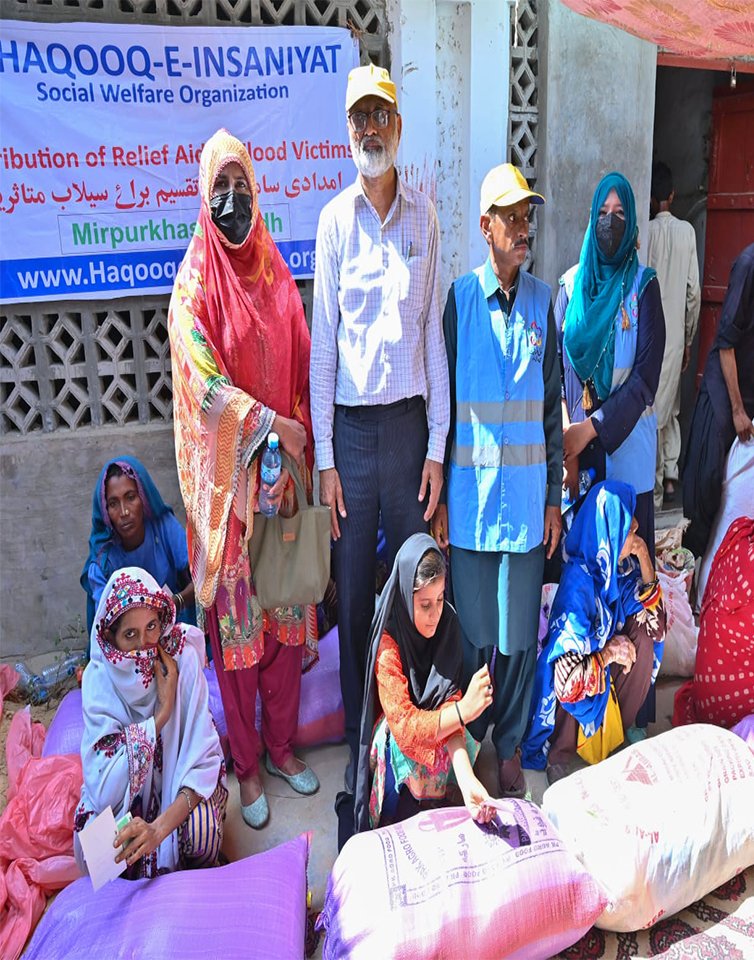
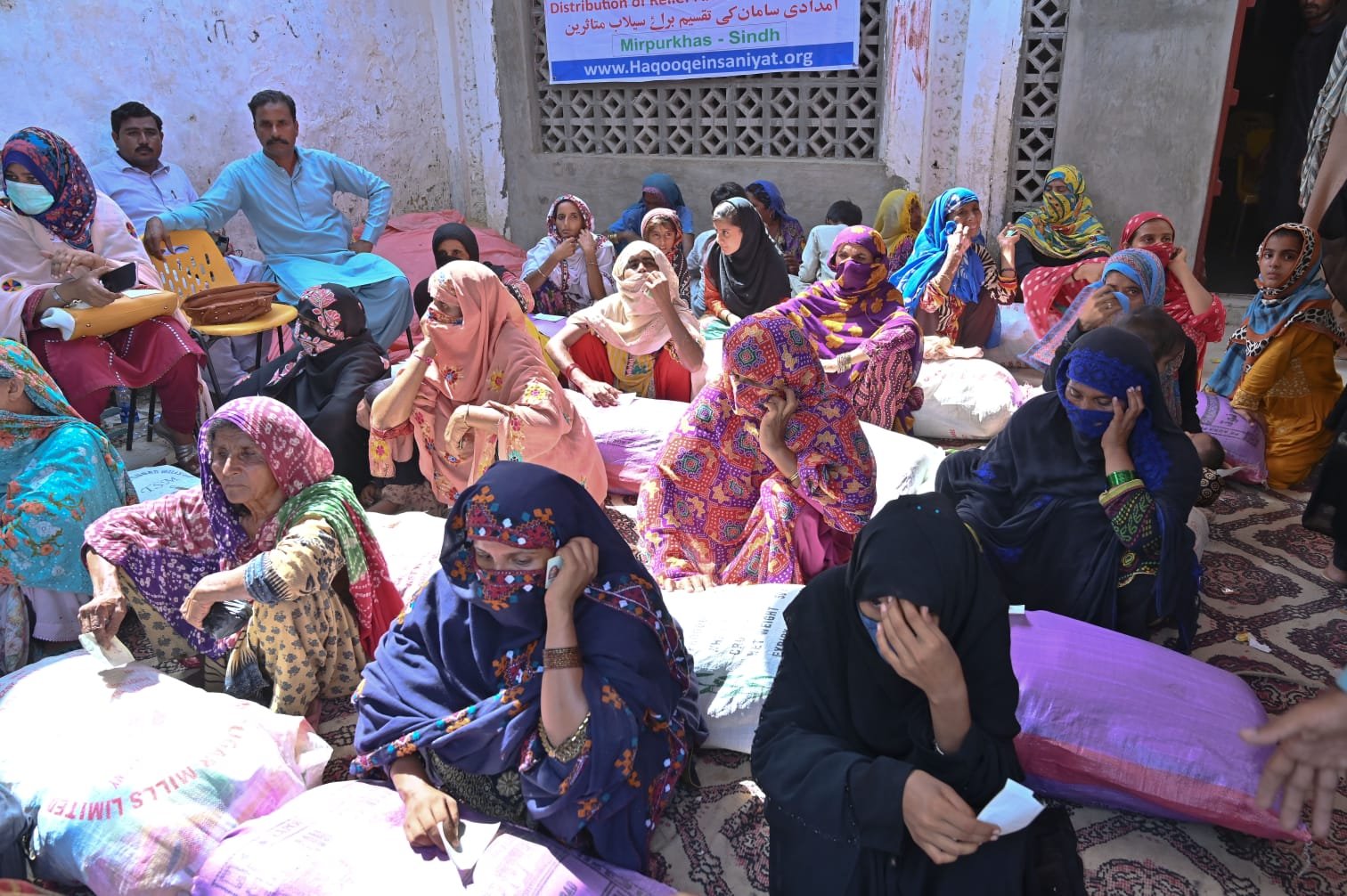
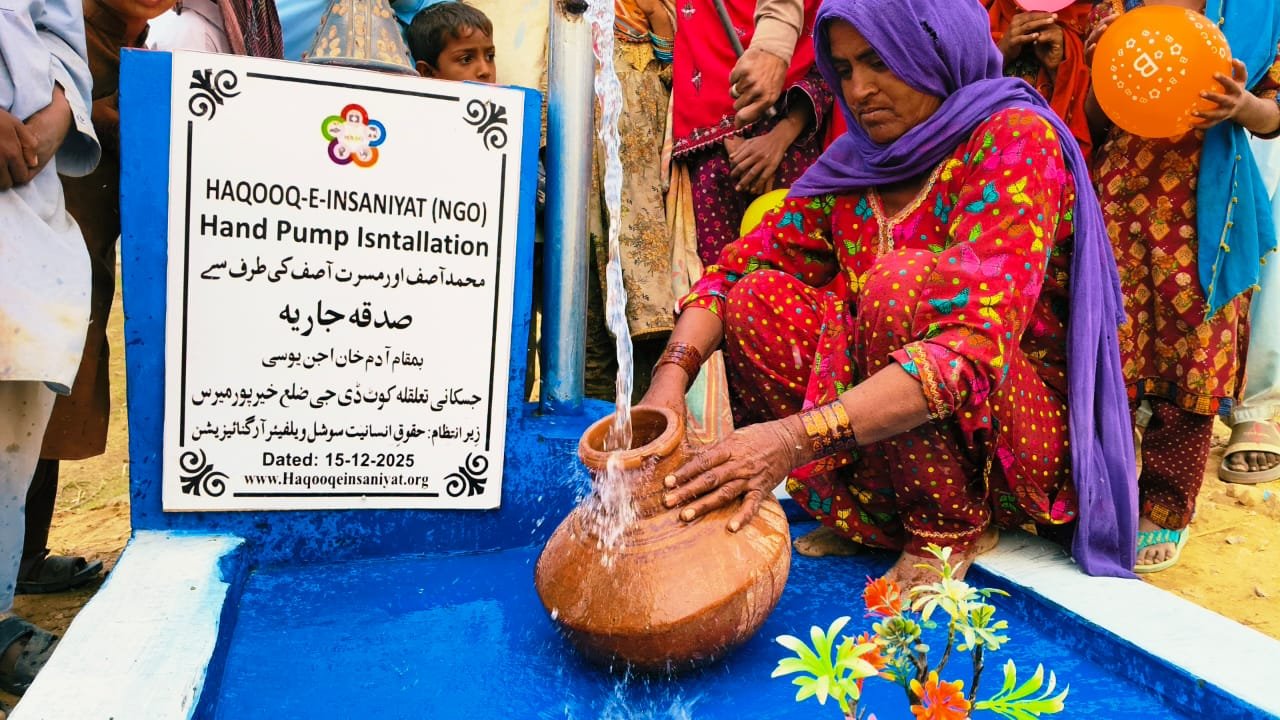
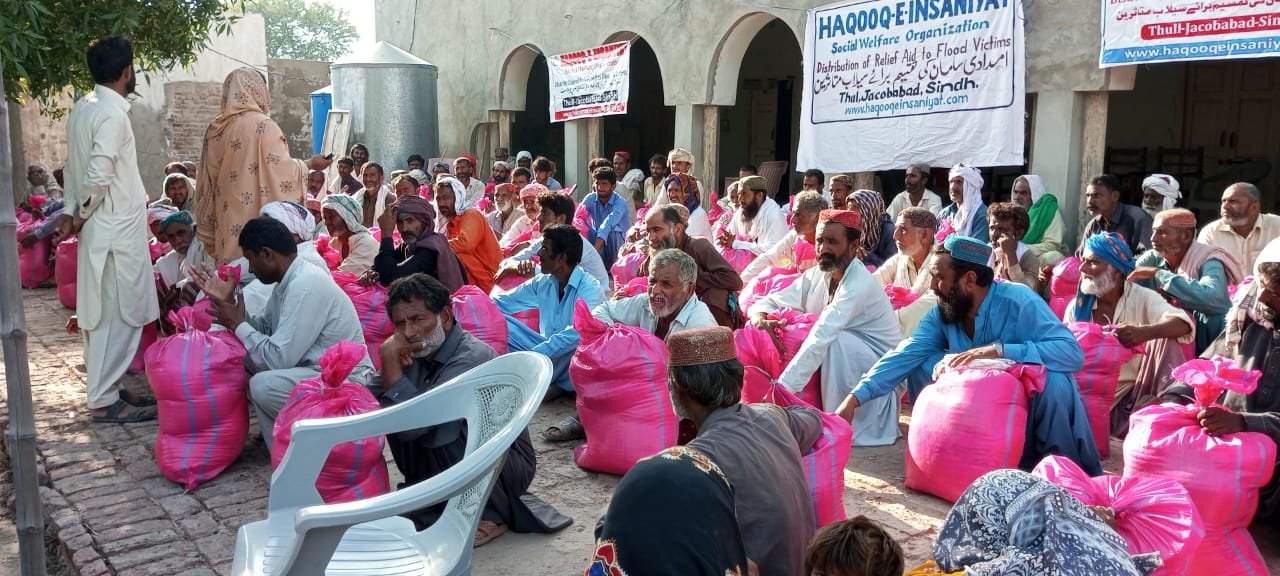
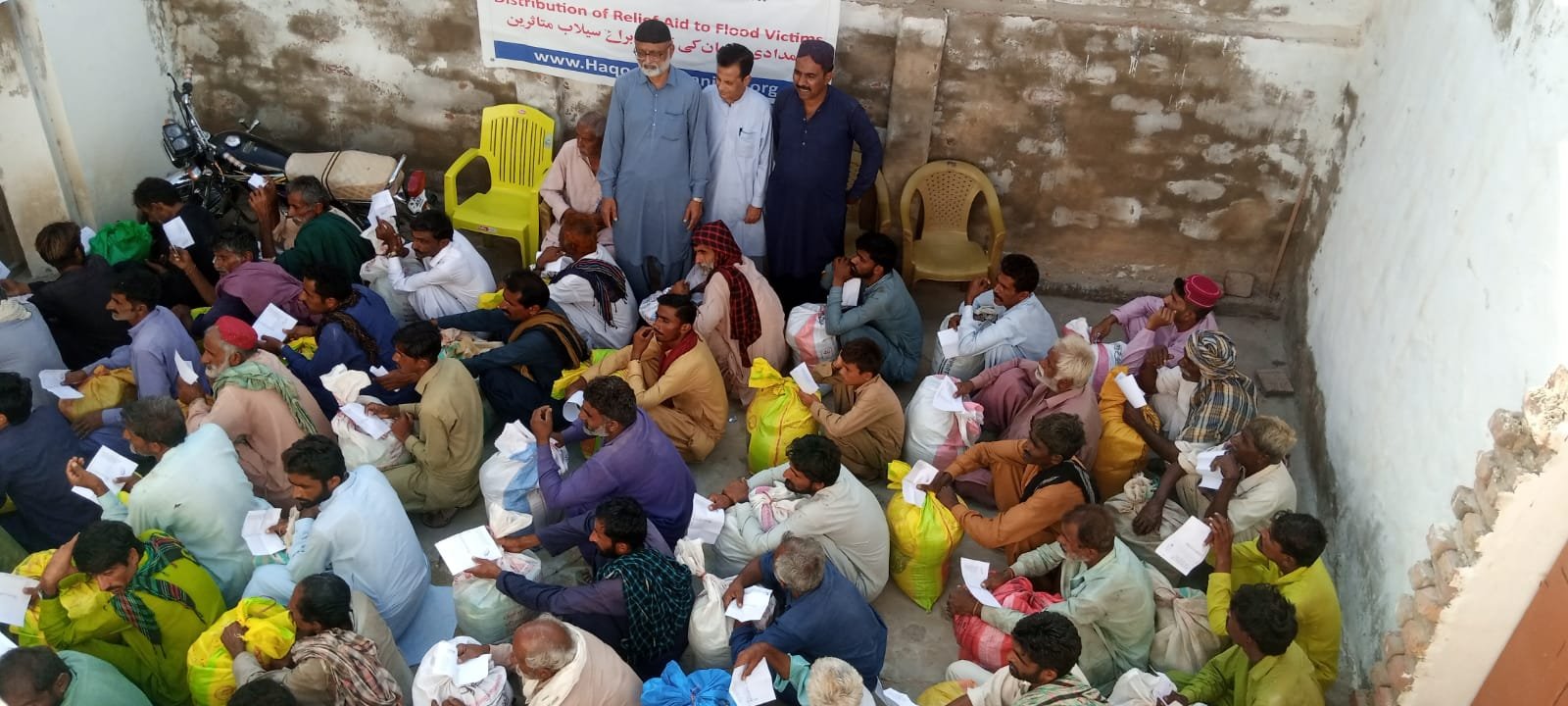
Volunteers work closely with NGOs like Haqooq-e-Insaniyat to deliver rashan packages directly to homes, slums, and low-income areas. Timely distribution is critical, especially during emergencies, natural disasters, or periods of economic strain, where many families rely entirely on free food support.
Free Ration in Karachi
Free ration in Karachi programs aim to help families who cannot afford groceries due to financial hardship. These programs become especially active during Ramadan, Eid, or crises such as floods, pandemics, or rising food prices.
Recipients of free ration receive carefully packed grocery bags containing essential items. Organizations prioritize families with children, elderly members, and daily wage earners to ensure that vulnerable populations have access to nutritious food. By participating in these initiatives, NGOs create a sustainable safety net for thousands of families in Karachi.
Free Ration in Karachi Online Apply
With the advancement of technology, many NGOs now provide opportunities for residents to apply for free ration in Karachi online. This system allows families to submit applications with basic details like name, address, family size, and contact information without visiting offices physically.
Online registration makes the process faster, transparent, and fair. It reduces overcrowding during distribution days and helps organizations track beneficiaries accurately. This approach ensures that free rashan Karachi reaches eligible families efficiently.
Free Ration Package / Rashan Package Karachi
A typical free ration package or rashan package Karachi contains the essentials a family needs for one to two weeks. These packages usually include:
Wheat / Flour
Rice
Sugar
Cooking Oil
Lentils / Pulses
Tea / Spices
The contents are carefully measured to sustain a family of four to six members. Organizations like Haqooq-e-Insaniyat distribute thousands of such packages every month, ensuring families across Karachi receive basic nutrition. Volunteers and donors play a significant role in supporting these distribution programs, helping make them successful and far-reaching.
Karachi Rashan Program
The Karachi Rashan program is a city-wide initiative aimed at addressing hunger and food insecurity among vulnerable communities. It is coordinated by NGOs, mosques, community kitchens, and charitable organizations to ensure fair distribution of free food Karachi and essential groceries.
These programs often operate in low-income neighborhoods, slums, and disaster-affected areas. Donations from individuals, businesses, and organizations help sustain these efforts. By engaging volunteers and local communities, the Karachi Rashan program ensures that needy families receive consistent support and nourishment.
Free Food Distribution in Karachi
Free food distribution in Karachi is essential for families who cannot afford daily meals. Community kitchens, charitable foundations, and NGOs organize free dastarkhwan near me events to provide cooked meals or grocery packages to these families.
These drives often take place during Ramadan, Eid, or in response to emergencies. They foster a sense of community, solidarity, and social responsibility. Families attending these distributions not only receive food but also a message that society cares about their well-being.
Free Food Karachi
Providing free food Karachi is not limited to cooked meals. Many NGOs and food banks offer free ration packages that families can use over a week or more. These programs target vulnerable populations, including orphans, daily wage workers, and elderly individuals living alone.
Through efficient logistics and volunteer coordination, organizations ensure that these free food initiatives reach all areas of Karachi, including remote neighborhoods, slums, and disaster-affected zones.
Free Dastarkhwan Near Me
The concept of free dastarkhwan near me allows families to find local community kitchens and food distribution events. These initiatives provide meals directly to people in need and often rely on community volunteers for preparation and delivery.
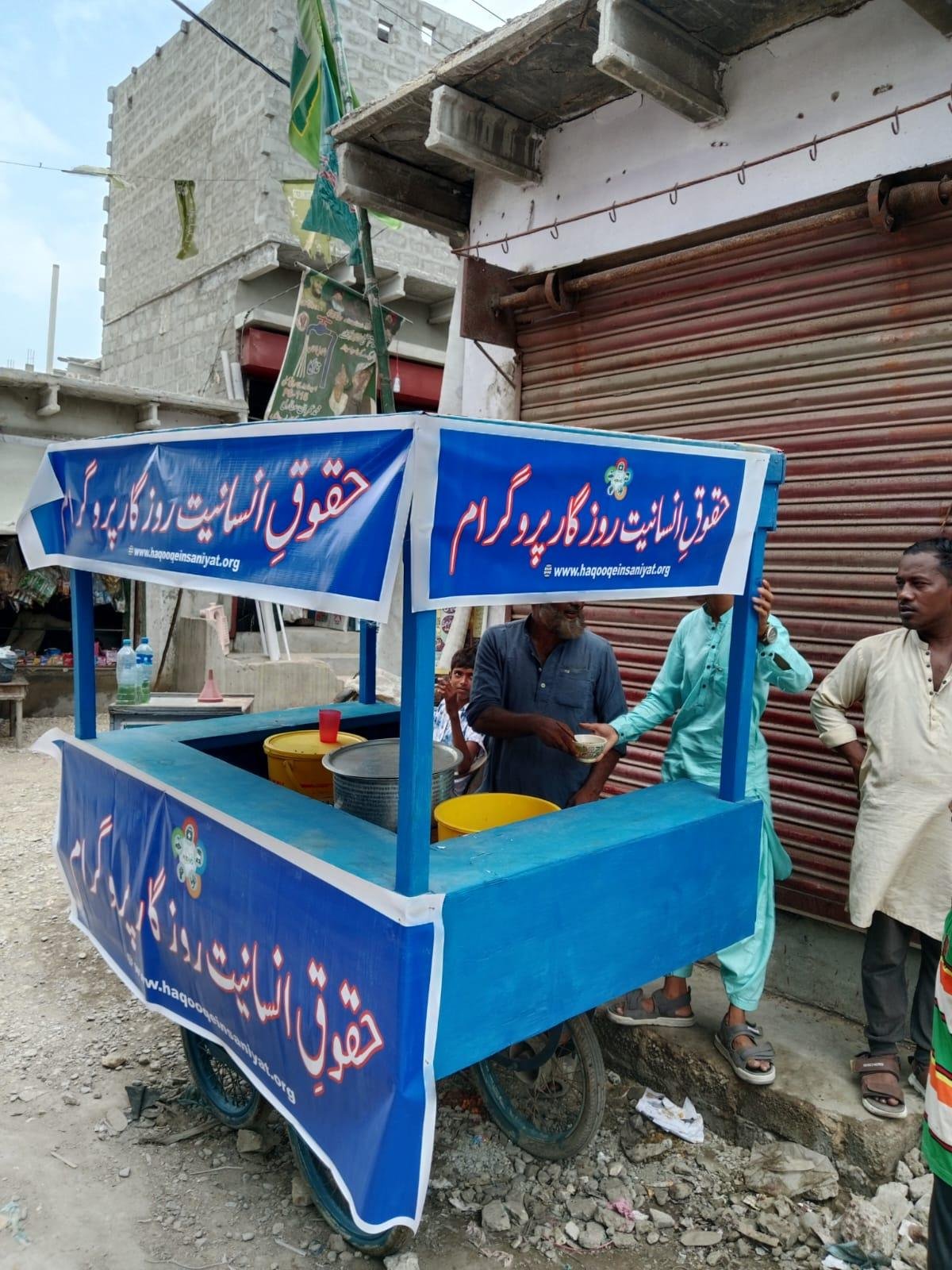
NGOs such as Haqooq-e-Insaniyat organize mobile dastarkhwan services in various parts of Karachi, ensuring that no family misses out on essential food support due to mobility or accessibility issues.
Food Donation Pakistan
Food donation Pakistan programs are critical in reducing food waste and supporting families in need. Restaurants, grocery stores, and households can donate surplus food to local NGOs, which then repack and distribute it to families across Karachi.
These programs operate with transparency, ensuring that all donated food reaches intended recipients safely. Food donation initiatives also encourage community participation and highlight the importance of sharing resources with the less fortunate.
Food Bank Menu
Food bank menu programs provide families with pre-planned grocery packages or meal plans. These menus are designed to ensure nutritional balance while covering basic dietary requirements.
NGOs coordinate food bank operations in Karachi to manage storage, packaging, and distribution effectively. This approach ensures that families relying on free rashan Karachi receive nutritious and sufficient food every week.
Ration Distribution in Karachi
Regular ration distribution in Karachi programs continue to play a vital role in addressing hunger. These initiatives provide staple foods and essential groceries to families, helping them survive economic hardships.
By combining online registration, community outreach, and volunteer support, NGOs can distribute ration packages efficiently across all areas of Karachi. Families in need can access these services repeatedly based on availability and eligibility.
Free Rashan Karachi
Finally, free rashan Karachi initiatives ensure that no family goes without food during difficult times. These programs are supported by donors, volunteers, and local organizations working tirelessly to provide groceries, cooked meals, and community support.
Haqooq-e-Insaniyat and similar NGOs maintain transparency, track beneficiaries, and coordinate volunteers to make sure every free rashan package reaches the families who need it most.
Conclusion
Food insecurity remains a serious challenge in Karachi, but programs for rashan distribution in Karachi, free ration in Karachi, and food donation Pakistan provide vital support. Through community kitchens, mobile dastarkhwans, and food banks, NGOs like Haqooq-e-Insaniyat ensure that families receive the essential nutrition they need.
By donating, volunteering, or spreading awareness, everyone can play a role in reducing hunger and improving lives. With consistent efforts, these initiatives can help create a more compassionate and supportive Karachi where no family goes hungry.
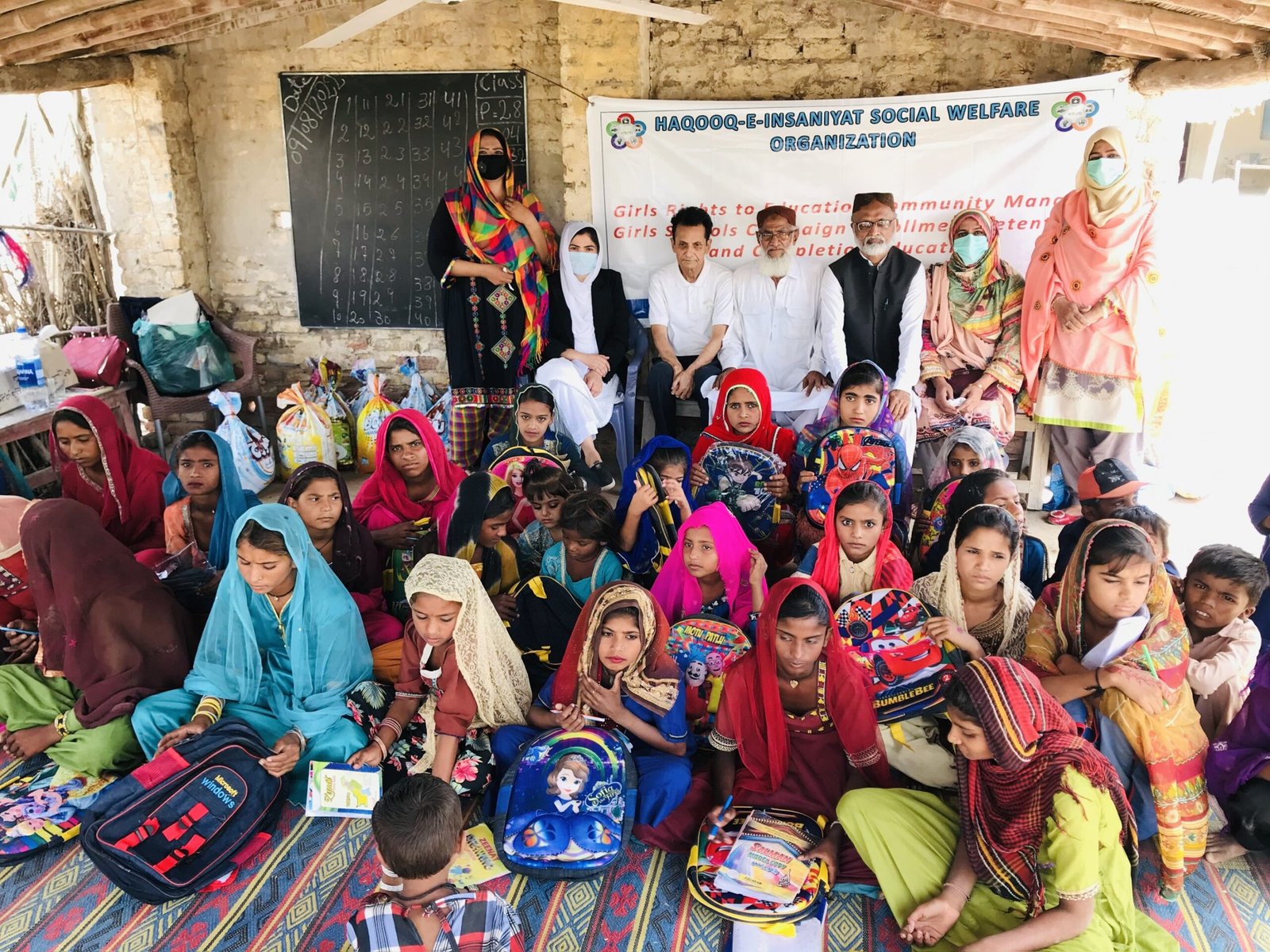
Haqooq-e-Insaniyat Social Welfare Organization (HISWO) was established in 2011 and is registered with the Government of Sindh, Pakistan. HISWO is a nonprofit and nongovernmental humanitarian and development organization working in underprivileged areas of Sindh, with a focus on health, education, livelihood, WASH, women empowerment, and the welfare of needy communities
- B3, 2nd Floor Provisional Trade Centre Block 13-B, Gulshan-e-Iqbal, Karachi
- 021-34837434
- 0300-2372019
-
info@haqooqeinsaniyat.org
Haqooqeinsaniyat123@gmail.com
Follow us on Social
DONATE