- 03002372019
- 021-34837434
- info@haqooqeinsaniyat.org
Empowering Communities Through Sustainable Livelihoods in Pakistan
Poverty and unemployment remain major challenges in many parts of Pakistan. Rising inflation, limited job opportunities, and lack of access to resources leave thousands of families struggling to meet their daily needs. Sustainable livelihood support is one of the most effective ways to break the cycle of poverty and restore dignity to vulnerable communities.
Through structured livelihood programs, families are not only supported financially but are also equipped with the skills, tools, and opportunities necessary to become self-reliant. Long-term empowerment creates stability, improves education access for children, strengthens local economies, and reduces dependency on temporary aid.
Below is a comprehensive overview of livelihood initiatives and support models designed to uplift communities across Pakistan.
Livelihood Support NGO in Pakistan
A Livelihood Support NGO in Pakistan focuses on empowering individuals and families by creating income-generating opportunities. Instead of short-term assistance, livelihood organizations prioritize long-term solutions that enable people to sustain themselves.
These NGOs work with vulnerable groups such as widows, unemployed youth, low-income households, persons with disabilities, and rural communities. Support may include vocational training, small business grants, livestock distribution, agricultural inputs, and technical education.
By providing structured assistance and monitoring progress, livelihood NGOs ensure that beneficiaries can maintain stable income sources and gradually improve their quality of life. The goal is not just survival but economic independence and resilience.
Livelihood NGO Pakistan
A Livelihood NGO Pakistan operates with a community-based approach. Every region has different economic conditions, market demands, and skill gaps. Therefore, proper needs assessments are conducted before launching any livelihood project.
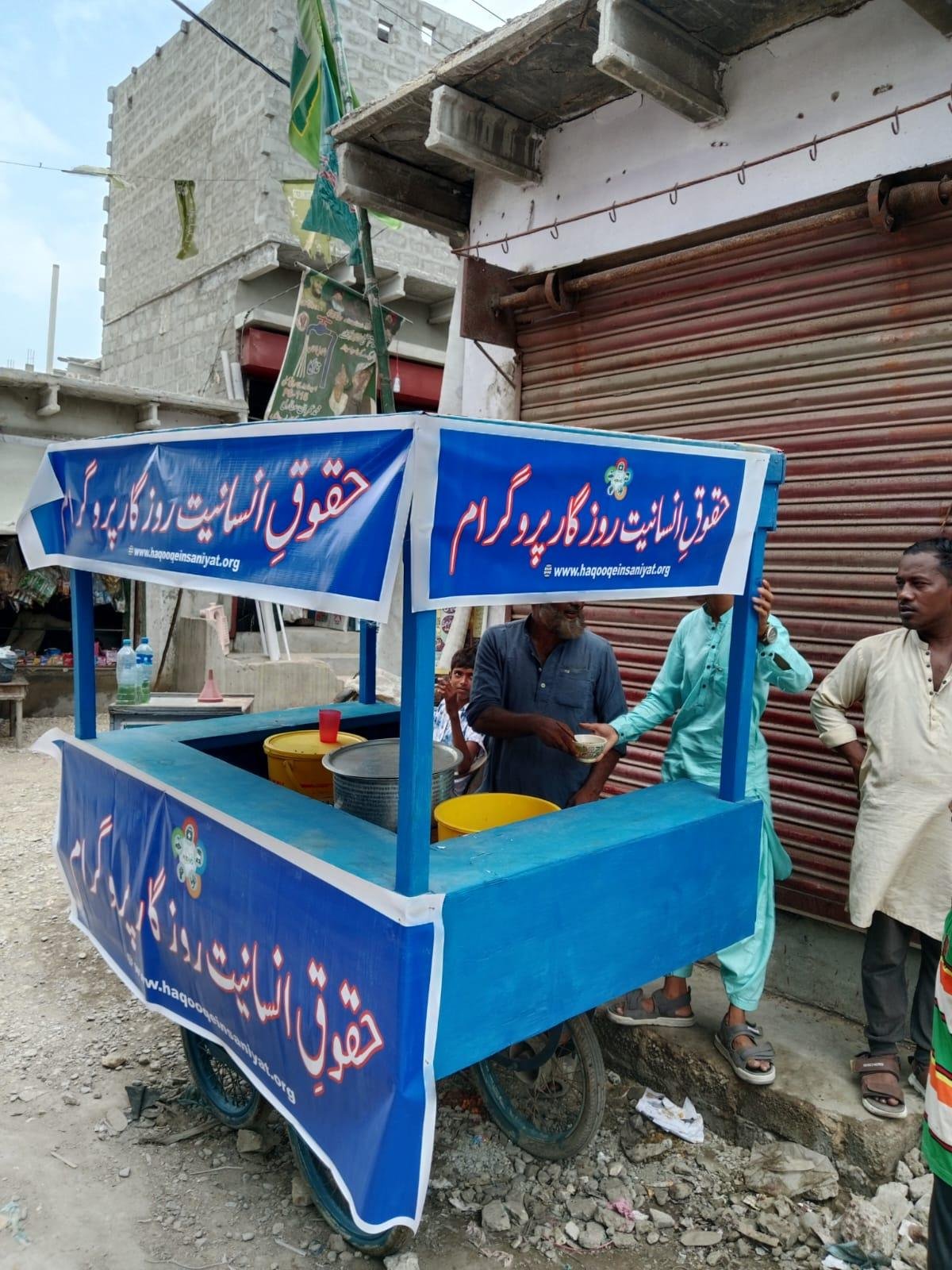
Programs are designed based on local feasibility. In urban areas, initiatives may include tailoring centers, beauty salons, mobile repair training, food carts, or small retail shops. In rural regions, livestock distribution, farming support, irrigation assistance, and agricultural training are often more effective.
By aligning projects with market demand, livelihood NGOs ensure that beneficiaries generate consistent income rather than facing business failure. This strategic planning increases sustainability and long-term success.
Livelihood Support Program Pakistan
A structured Livelihood Support Program Pakistan typically follows several key stages:
Identification of deserving families
Skills assessment and training
Provision of tools or seed capital
Business mentoring and follow-up
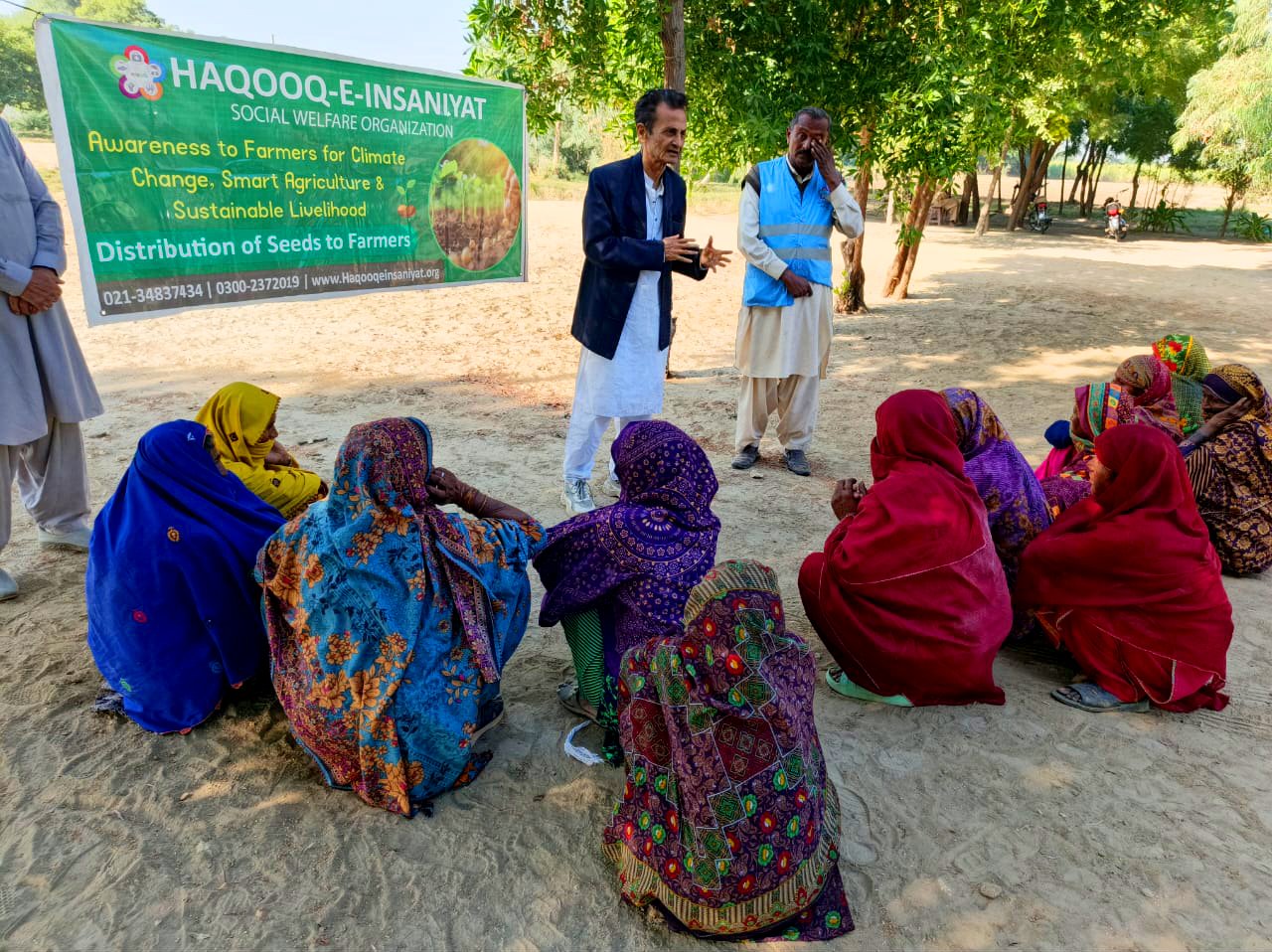
For example, a widow may receive tailoring training along with a sewing machine to start home-based stitching services. A young man may receive mobile repair training with a starter toolkit. A farmer may be supported with seeds, fertilizer, and technical guidance to improve crop yield.
These programs do more than provide financial aid. They restore confidence, encourage productivity, and strengthen family stability. When income improves, children are more likely to stay in school, healthcare becomes accessible, and families regain dignity.
NGO for Poverty Alleviation Pakistan
An NGO for Poverty Alleviation Pakistan focuses on addressing the root causes of poverty rather than just its symptoms. Poverty is often linked to unemployment, lack of education, absence of assets, and limited market access.
Livelihood initiatives serve as a core strategy for poverty alleviation. By helping families establish income-generating activities, NGOs reduce long-term dependency on charity.
Instead of giving short-term cash handouts, poverty alleviation programs often provide:
Livestock such as goats or poultry
Small business startup kits
Vocational skill certifications
Agricultural support packages
Microenterprise development assistance
This approach gradually transforms vulnerable households into financially stable and productive members of society.
Income Support NGO Pakistan
An Income Support NGO Pakistan works to strengthen the earning capacity of individuals. Income support does not simply mean temporary financial relief. It involves building a stable income stream that families can rely on.
Support may include:
Equipment for small businesses
Trade skill training
Microenterprise mentorship
Access to local markets
Financial literacy education
For instance, supporting a vegetable vendor with a cart and initial stock can help generate daily income. Assisting a woman with baking equipment can allow her to start a home-based food business. These small but impactful interventions create long-term financial stability.
Sustainable Livelihood Projects Pakistan
Sustainable Livelihood Projects Pakistan are designed with long-term impact in mind. Sustainability means that once the initial support is provided, beneficiaries can continue earning without ongoing assistance.
Examples of sustainable projects include:
Livestock distribution (goats, cows, poultry)
Kitchen gardening programs
Vocational training with job placement
Small manufacturing units
Community-based farming cooperatives
Environmental considerations are also important. Projects may promote water-efficient farming techniques, organic agriculture, and eco-friendly small businesses.
Sustainability ensures that resources are used effectively and that future generations benefit from stable income systems.
Non Profit Organization for Livelihood Pakistan
A Non Profit Organization for Livelihood Pakistan operates with transparency, accountability, and community trust. Donor contributions are carefully allocated toward structured programs with measurable impact.
Non-profit livelihood organizations often provide:
Detailed reporting
Beneficiary tracking systems
Impact assessments
Community participation models
Accountability builds confidence among donors and stakeholders. When contributors see tangible results, they are more likely to continue supporting livelihood programs.
Donate for Livelihood Support Pakistan
Choosing to Donate for Livelihood Support Pakistan can transform an entire family’s future. A single donation can help establish a small business, purchase essential equipment, or provide vocational training.
Unlike one-time food assistance, livelihood donations create lasting change. When a person starts earning independently, the impact extends to children, education, healthcare, and overall community development.
Even small contributions can combine to fund larger initiatives that support multiple families simultaneously.
Sponsor a Family Business Pakistan
Through Sponsor a Family Business Pakistan initiatives, donors directly empower specific households. Sponsorship programs typically include:
Business startup capital
Equipment or inventory
Training and mentorship
Follow-up monitoring
Examples include sponsoring:
A grocery shop setup
A tailoring business
A rickshaw for transport services
A small livestock farm
A home-based catering service
Sponsorship creates measurable and personal impact, allowing families to move toward financial independence.
Zakat for Livelihood Pakistan
Zakat for Livelihood Pakistan is a powerful way to fulfill religious obligations while ensuring long-term economic empowerment. Instead of distributing Zakat solely for immediate consumption, funds can be invested in income-generating projects.
This approach helps beneficiaries permanently escape poverty. A sewing machine funded through Zakat can generate income for years. Livestock purchased through Zakat can multiply and provide ongoing earnings.
Using Zakat for sustainable livelihoods maximizes impact and aligns charitable giving with long-term development goals.
Charity for Income Support Pakistan
Charity for Income Support Pakistan strengthens families by building earning capacity. Rather than creating dependency, structured charity programs aim to restore dignity and independence.
Charitable funds may be used for:
Technical training workshops
Small enterprise grants
Women empowerment projects
Youth skill development programs
Agricultural input distribution
When charity is strategically invested in livelihood programs, it becomes a catalyst for economic growth and social progress.
Support Small Businesses Pakistan
Support Small Businesses Pakistan initiatives play a crucial role in economic development. Small businesses form the backbone of local economies. When supported properly, they create employment opportunities and stimulate community growth.
Support may include:
Microenterprise grants
Equipment financing
Business mentoring
Marketing assistance
Financial management training
Strengthening small businesses reduces unemployment and builds resilient communities capable of sustaining themselves.
The Long-Term Impact of Livelihood Support
Livelihood programs create ripple effects across society. When families earn stable income:
Children stay in school
Healthcare access improves
Debt decreases
Social stability increases
Community development accelerates
Economic empowerment also reduces vulnerability during emergencies. Families with income sources are better prepared to handle crises, natural disasters, or economic downturns.
How You Can Make a Difference
You can contribute to sustainable change by:
Donating to livelihood programs
Sponsoring a small business
Supporting skill development initiatives
Contributing Zakat toward income-generating projects
Partnering as a corporate donor
Volunteering expertise in training or mentoring
Every contribution helps build stronger, more resilient communities across Pakistan.
Haqooq-e-Insaniyat Social Welfare Organization (HISWO) was established in 2011 and is registered with the Government of Sindh, Pakistan. HISWO is a nonprofit and nongovernmental humanitarian and development organization working in underprivileged areas of Sindh, with a focus on health, education, livelihood, WASH, women empowerment, and the welfare of needy communities
- B3, 2nd Floor Provisional Trade Centre Block 13-B, Gulshan-e-Iqbal, Karachi
- 021-34837434
- 0300-2372019
-
info@haqooqeinsaniyat.org
Haqooqeinsaniyat123@gmail.com
Follow us on Social
DONATE